


● Refer to lot-specific Certificate of Analysis HPLC verified
Vials · Research Peptide
Open
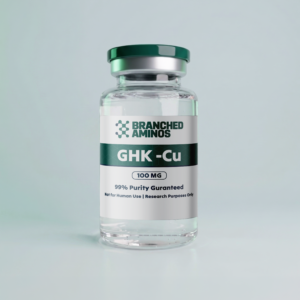
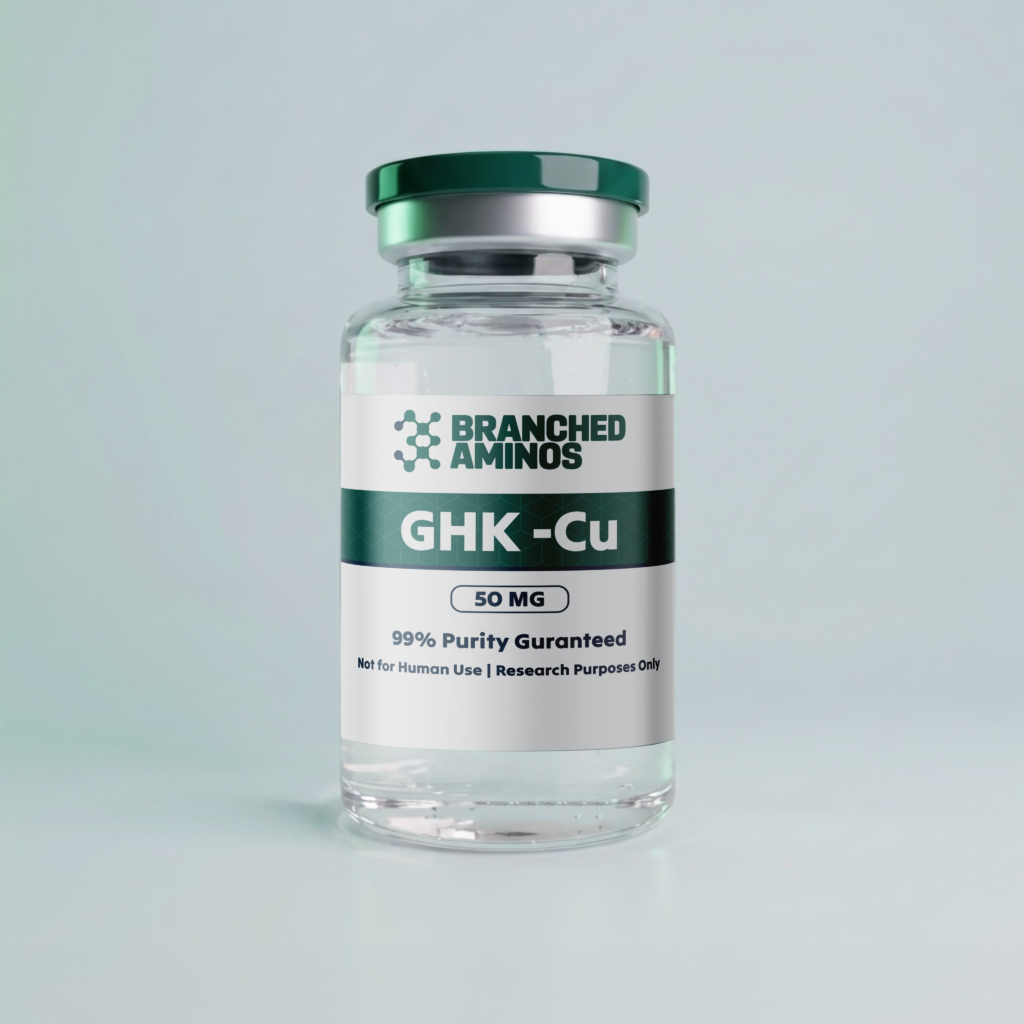
GHK-Cu
RESEARCH USE ONLY
SKU BA-V-GHKCU
$50.98
GHK-Cu is a research-grade reference compound supplied for in-vitro laboratory study. GHK-Cu is a copper-binding tripeptide reference compound commonly studied in extracellular matrix, cellular signaling, and analytical peptide studies. RESEARCH USE ONLY - not for human or veterinary consumption.
Download this lot's COA
Lot NA · HPLC 99.8 · PDF
HPLC + MS tested
Ships in 24–36h
US lab
GHK-Cu - Research Reference Material
GHK-Cu is a research-grade vial reference material supplied exclusively for in-vitro laboratory investigation. Mechanistically, GHK-Cu is a copper-binding tripeptide reference compound commonly studied in extracellular matrix, cellular signaling, and analytical peptide studies, which has made it a frequently studied reference in controlled laboratory, analytical, receptor-binding, and cell-signaling research models.
This product is also referenced in the literature under the following terms: copper tripeptide, prezatide copper, GHK copper research.
Mechanism of Action (Research Context)
Published peer-reviewed research describes GHK-Cu as a copper-binding tripeptide reference compound commonly studied in extracellular matrix, cellular signaling, and analytical peptide studies. Investigators commonly use this compound in laboratory models exploring pathway signaling, receptor activity, analytical characterization, method development, or cell-based assay response. Researchers should consult current primary literature and the lot-specific Certificate of Analysis for compound-specific documentation.
Product Specifications
* CAS Number: 89030-95-5
* Molecular Formula: C14H22CuN6O4
* Molecular Weight: 401.91 g/mol
* Strength / Fill: Variable size options listed on product variations
* Form: Lyophilized powder
* Endotoxin: <1.0 EU/ug where applicable for research-grade vial products
* Purity: Refer to lot-specific Certificate of Analysis
Specification Note
Copper-complex values shown; lot-specific hydrate/acetate content is controlled by the COA.
Research Applications
GHK-Cu is referenced in laboratory research focused on pathway signaling, receptor-binding assays, analytical testing, cell-based investigations, and method development. This product is supplied as a reference standard only and is not formulated, labeled, or packaged for any in-vivo, diagnostic, cosmetic, food, or therapeutic application.
Storage & Handling
Store according to the lot-specific Certificate of Analysis. Unless otherwise specified, keep research materials sealed, protected from light, and handled under appropriate laboratory conditions. Reconstituted or prepared materials should be stored at 2-8C and used within the validated stability window. Always handle in accordance with standard laboratory safety practices.
Quality & Documentation
Each lot is supplied with a Certificate of Analysis (COA) referencing identity, purity, and applicable analytical results. The COA is the authoritative source for lot-specific data and supersedes any general product description.
RESEARCH USE ONLY. This product is intended exclusively for in-vitro laboratory and research applications. Not for human or veterinary consumption, diagnostic use, food use, cosmetic use, or therapeutic purposes. Handling should be performed only by qualified researchers in an appropriate laboratory setting.
CAS number
89030-95-5
Molecular formula
C14H22CuN6O4
Molecular weight
401.91 g/mol
Purity (HPLC)
Refer to lot-specific Certificate of Analysis
Form
Lyophilized powder
Appearance
White to off-white lyophilized powder unless otherwise specified by COA
Storage
Store lyophilized powder at -20C, protected from light; refer to lot-specific Certificate of Analysis
Solubility
Refer to lot-specific Certificate of Analysis
Certificate of AnalysisLOT NA · TESTED 2026-07-13
Identity (MS)Confirmed
Purity (HPLC)99.8
Tested twice, by someone else
Identity is confirmed by mass spectrometry and purity is measured by reverse-phase HPLC. Both are run by an independent ISO 17025-accredited lab, not in-house.
The certificate above matches the exact lot you'll receive. If your label shows a different lot number, enter it on the homepage lookup and you'll get that lot's document instead.
Reconstitution (for research handling)
Add bacteriostatic water slowly down the inner wall of the vial - never directly onto the powder. Let it dissolve without shaking; gentle swirling is fine. Figures are provided for laboratory handling only and are not directions for use in humans or animals.
Researchers also bought
All products →